Laser Therapy for Achilles Tendinopathy: How High-Intensity Laser Accelerates Healing
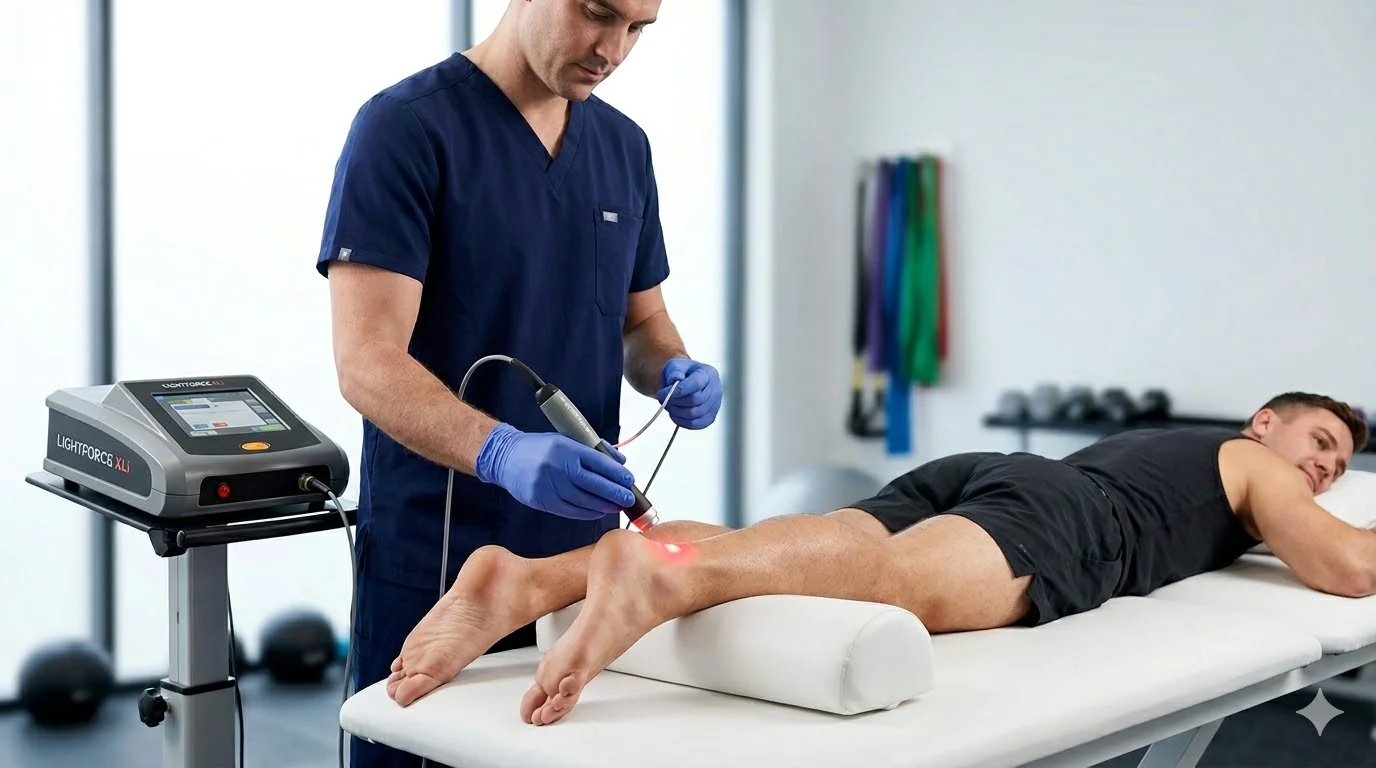
Achilles tendinopathy is a stubborn and frustrating injury seen in both active and sedentary individuals. Whether it’s a runner increasing their mileage, an athlete returning to sport, or an office worker with poor load tolerance, Achilles pain can linger for months if it’s not managed properly.
While exercise-based rehabilitation is the foundation for long-term recovery, High-Intensity Laser Therapy (HILT) is emerging as a powerful tool for reducing pain, improving tendon healing, and accelerating progress. Laser therapy may sound futuristic, but it is supported by clinical evidence. When paired with a structured loading program and lifestyle changes, it can be highly effective for patients with chronic tendon pain.
Achilles tendinopathy is characterised by pain, morning stiffness, swelling around the tendon, and a reduced ability to run or jump. Research shows that most cases are not driven by acute inflammation. Instead, they are caused by structural changes in the collagen fibres, which are more commonly seen in chronic degenerative conditions.
These changes slow healing, reduce blood flow, and impair the tendon’s ability to tolerate load. This is why symptoms can become long-lasting if they are not addressed properly.
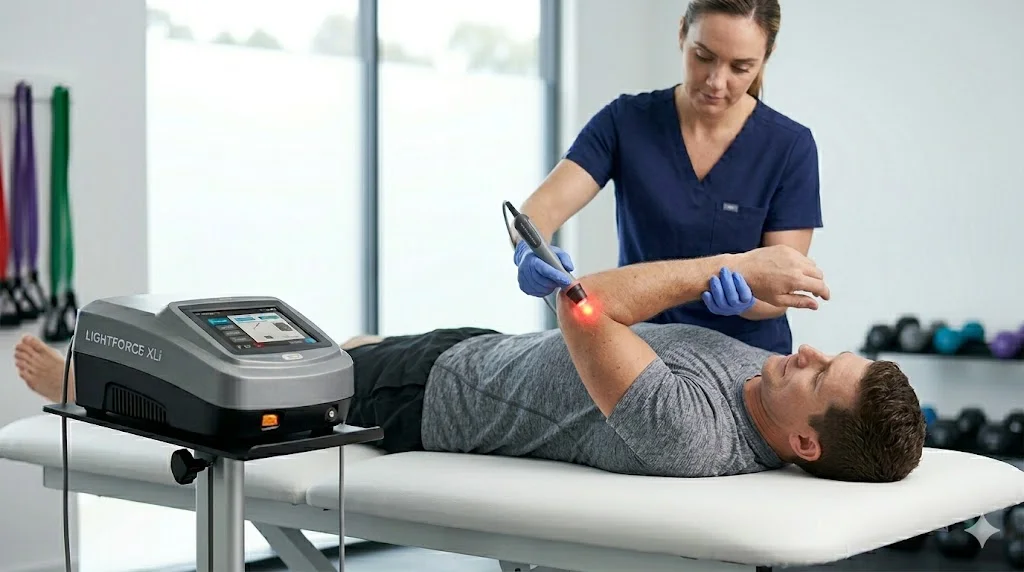
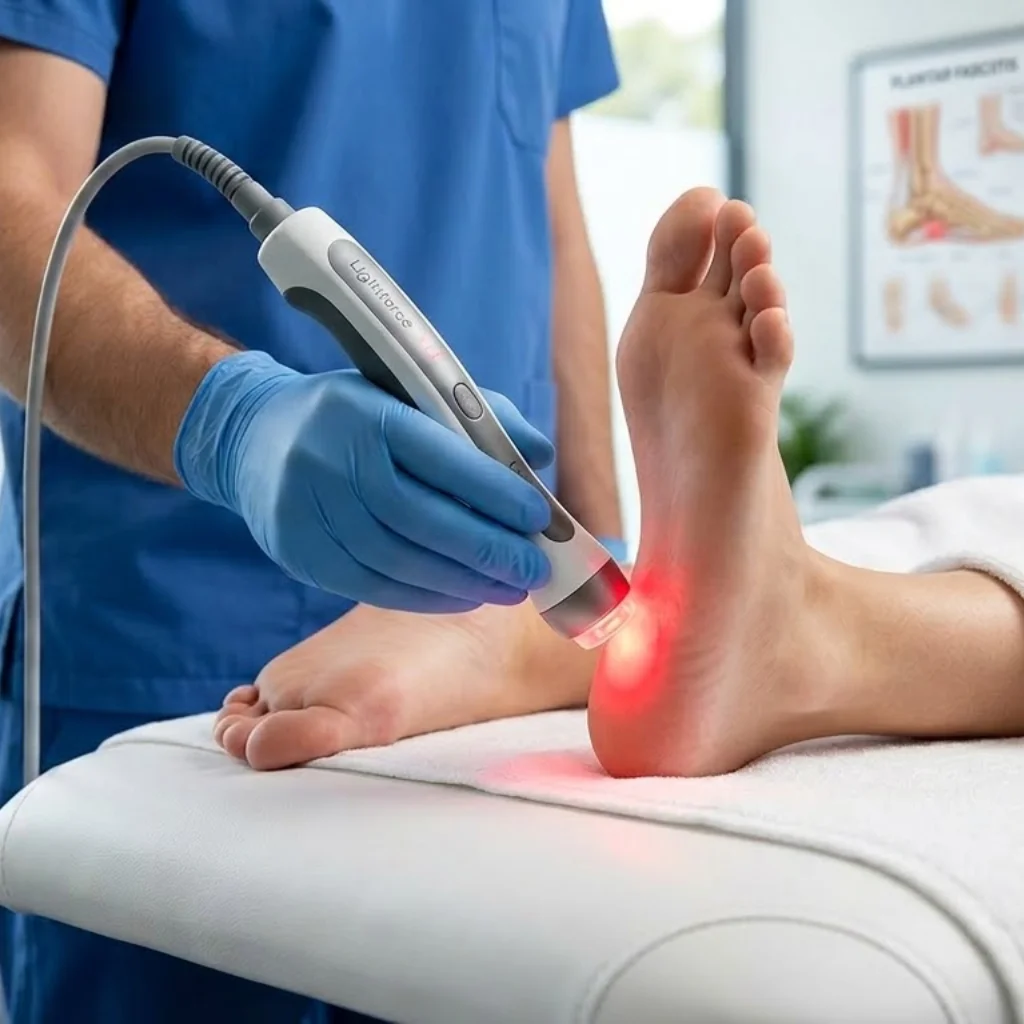
High-intensity laser therapy works through photobiomodulation (PBM), which uses infrared light to stimulate cellular repair in damaged tissue. The Lightforce XLi utilises two clinically proven wavelengths (810nm and 980nm):
These mechanisms target the underlying causes of chronic tendinopathy, including poor healing, metabolic dysfunction, and persistent pain.
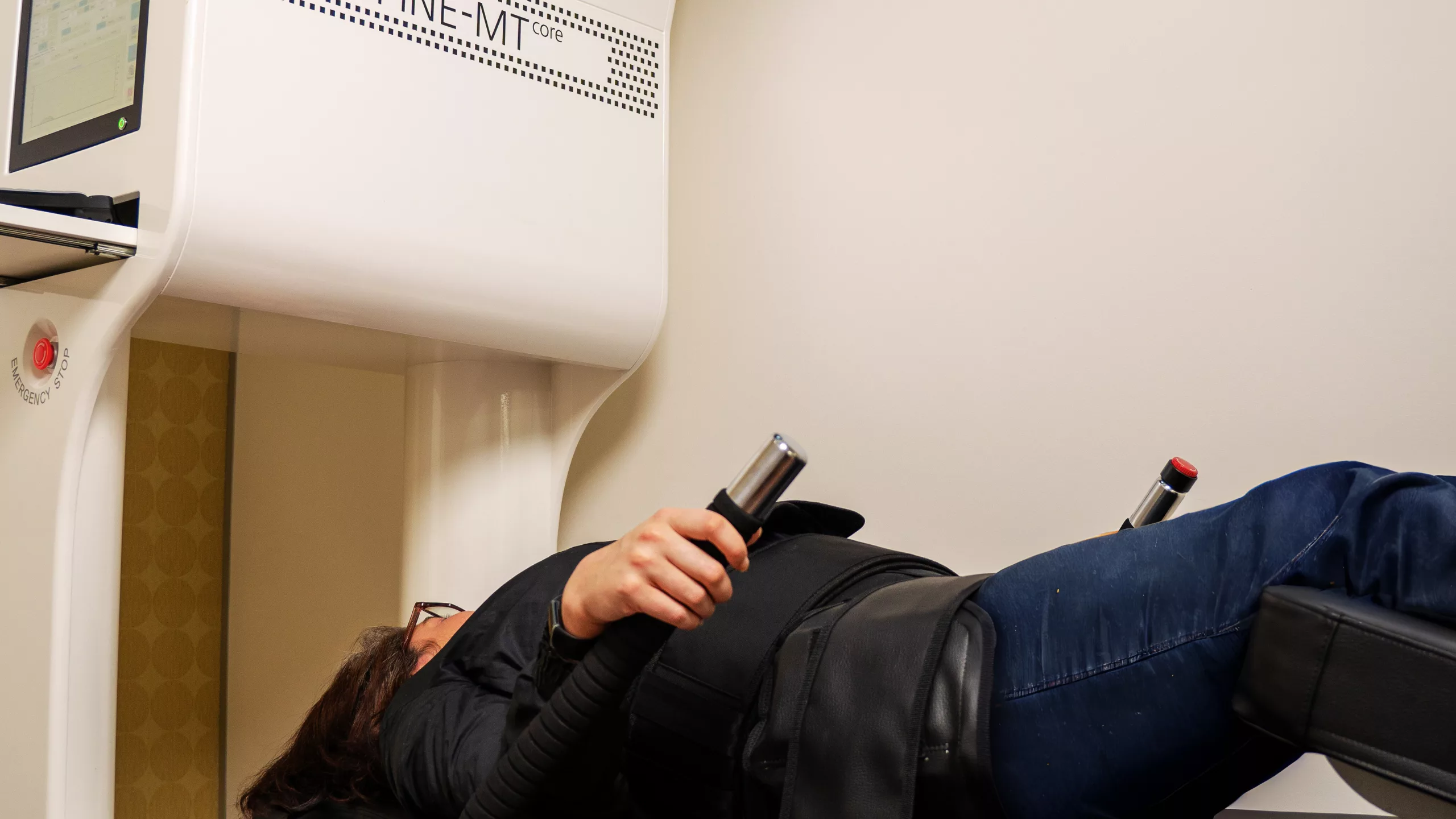
The Lightforce XLi stands out due to its 40-watt continuous power output, which is significantly higher than many cold or low-level lasers. This allows for deeper tissue penetration and shorter treatment times. Some of the biological effects of high-intensity laser therapy include:
While laser therapy is highly effective, it must be combined with exercise to achieve the best results. The Achilles tendon needs progressive loading to rebuild strength and functional capacity.
At ReWin Therapy, laser therapy is integrated with:
Laser therapy sessions are warm, comfortable, and typically take only 4–7 minutes. Many patients report immediate short-term relief due to improved circulation. A typical Achilles rehabilitation program includes:
There is no downtime, and patients can return to activity immediately after treatment.
Laser therapy is ideal for patients with:
ReWin Therapy combines modern technology with evidence-based practice to deliver long-lasting results. We invest in advanced tools like the Lightforce XLi because stubborn tendon pain often requires a multi-modal approach. We offer:
Achilles tendinopathy can be frustrating, but it doesn’t have to be long-term. High-intensity laser therapy helps accelerate tendon healing at the cellular level, while targeted exercise and lifestyle changes rebuild strength and resilience.
Book a physiotherapy session tailored to your condition, or speak with our team to understand the right treatment approach for you.